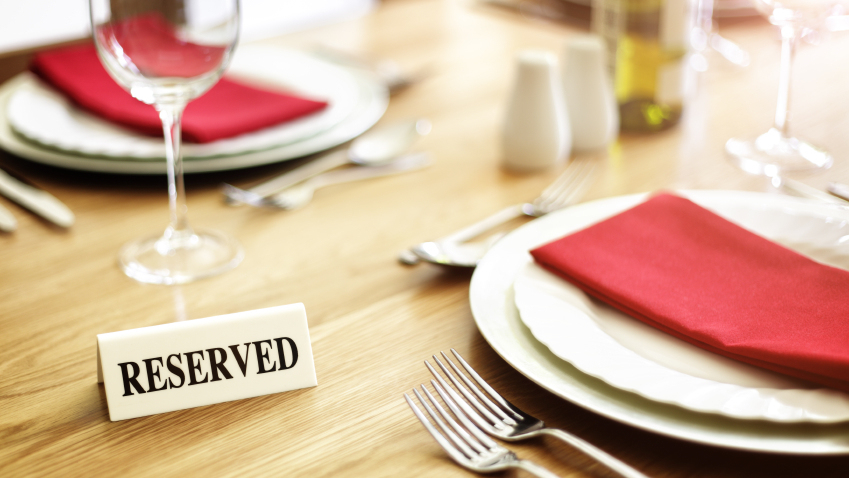
 How do you book restaurants? (Image/Internet)
When your boss asks you to find a restaurant where both parties can have a place with "good atmosphere, quiet, suitable for meetings", what would you do?
Most people would do this
-
Search randomly online first
-
Make a list of restaurants you find (smarter people would include photos)
-
Wait for your boss to confirm the restaurant
-
Call to make a reservation
But what I did while working as a specialist at Taiwan's leading PR firm completely defied expectations—we would book all the restaurant reservations first, then call and cancel them one by one.
You might think, isn't this approach a bit "demanding customer" behavior? Is it really necessary for just a meal or gathering? At first, I was also that "passive restaurant booker". But through exploration, I discovered that even something as simple as booking a restaurant requires this level of professional commitment at a 4A PR agency.
The reason is that both parties are industry leaders, which means senior management's schedules are difficult to pin down. Once confirmed, the restaurant time must be guaranteed, and you need to verify in advance whether the venue is spacious, quiet, and whether conversation contents might leak?
Initially, my boss requested a private room, but considering a more relaxed atmosphere would be preferable, when deciding on a restaurant, we also hoped both parties could take a walk after dinner.
So what did I do?
First, I found six restaurants—three Chinese, three Western. I took screenshots of each, compared their afternoon tea time slots, menu items, seating environments, and geographic locations. Among them were even outdoor restaurants on Yangmingshan. I compiled everything into a single spreadsheet.
Next, I made reservations at each one to confirm the time slots and listed the costs, placing the top three recommended restaurants at the front of the spreadsheet. Finally, I had my boss choose from these, and since we had already confirmed the time slots with both parties and confirmed availability, after my boss made the selection, I called one by one to cancel all the others and notified both parties to confirm the meeting time.
You might think this kind of pathological requirement is something you couldn't do yourself, or feel embarrassed making detailed inquiries on the phone only to cancel. Wouldn't that create a bad impression? It wasn't until recently that I realized this is the most efficient method that can also mitigate risks.
First, from the restaurant's perspective, they actually handle many clients daily, and last-minute cancellations and no-shows happen regularly. When you make a reservation two weeks in advance, they still have ample time to adapt.
Second, from the corporate perspective, have you considered what happens when your boss spends time deciding which restaurant to choose, then calls to make a reservation only to find out there's no availability, or the time needs to be pushed back an hour? Clients and your own company don't have that much time and energy to discuss timing and location again over something as trivial as a restaurant.
At 4A PR firms, even with such small details, we are meticulous and attentive. There's no need to mention the even more demanding requirements for organizing large-scale events.