Karen's Silicon Valley Life Third Week
This week's insight: Most emotions are triggered not by events themselves, but by our own perceptions. Many of my struggles found answers here in Silicon Valley; I let go of my pride here.
Yet, was it Silicon Valley, or self-exploration that provided those answers?
I want to share some thoughts about transformations in perspective and behavior during this journey.
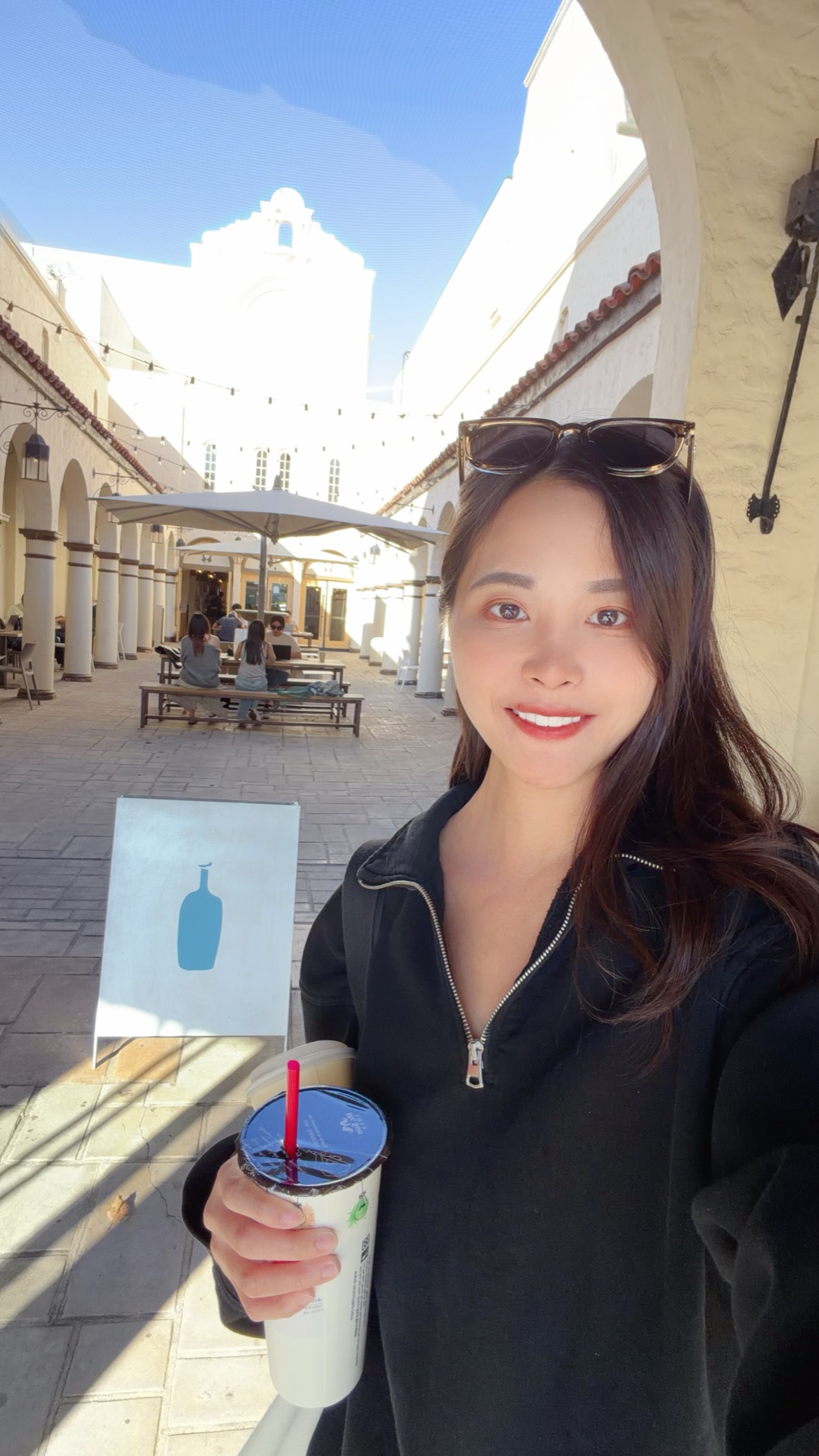
#The Caretaker's Self-Care
I used to be someone who constantly had "sorry" on my lips. Recently, someone reminded me to stop saying sorry, even joking, "Say it one more time and I'll hit you!" You didn't do anything wrong!
Not long ago, I discussed with a therapist that I have a caretaker personality—I put others' needs before my own. To understand when and why I became this way, I reached out to my exes for feedback on how they saw me from their perspective.
I wouldn't do that again. Their advice was honestly useless (haha).
But what was useful: I discovered that the way I hope to be loved is for someone to actively discover my needs, rather than assume I'm independent and don't need care. I never wanted to be that independent.
During this Silicon Valley exploration, due to my role, I found myself taking on many caregiving responsibilities beyond my actual scope. I didn't think much of it and was happy to help, but people kept reminding me how I gain a sense of security through being needed.
I need to learn to share responsibility with others, rather than carrying everyone's burden myself. Though it's not easy for me, I'm already on a better path.
#Ms. On-time's Untimeliness
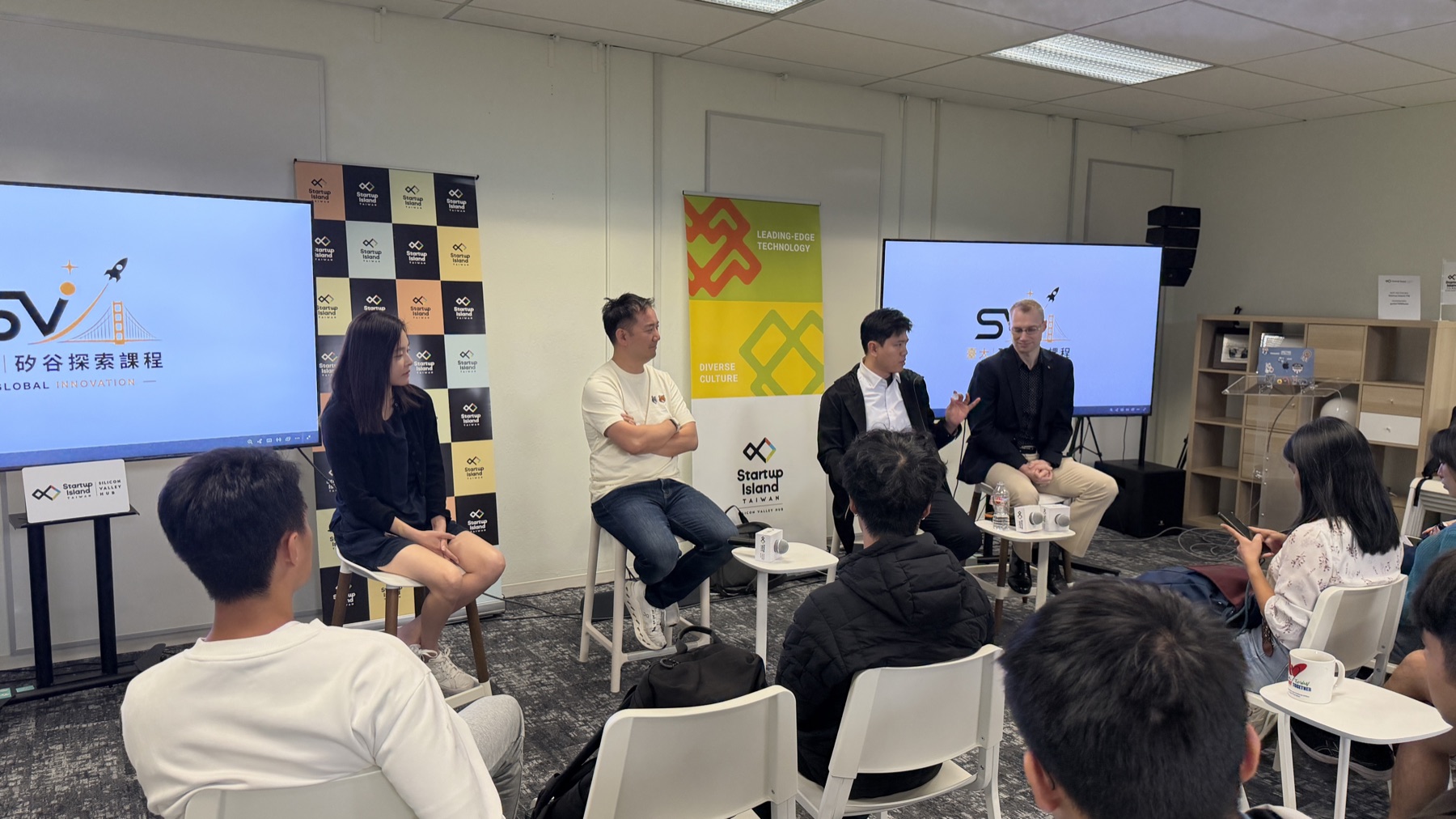
"Take your time" is something I heard often before I came here, and in Silicon Valley, it's a way of life—this individualism is everywhere.
Back in Taiwan, my work style was very J-type, spreadsheet-oriented, detail-obsessed. I could rattle off specifics without pulling out documents, identify gaps, prepare contingencies, and present options. Events basically unfolded according to my thought process.
But maybe due to cultural differences and traffic variables, things here rarely stay on schedule. An event listed for 6 PM might not formally start until 7, and people continue arriving after that. No one judges your behavior as right or wrong, no one minds you or cares. That's when I clearly understand that "sorry" isn't necessary—you haven't wronged anyone. If anyone's wronged, it's just your own guilt.
So emotions stem from our own perceptions, and perceptions mostly come from imagination, not reality.
Of course, this relates weakly to "commitment" and "integrity," and the impression you give others, so it depends on your nature—everything is real, nothing false, no deception, just not spelling everything out 100%.
#Open Mind
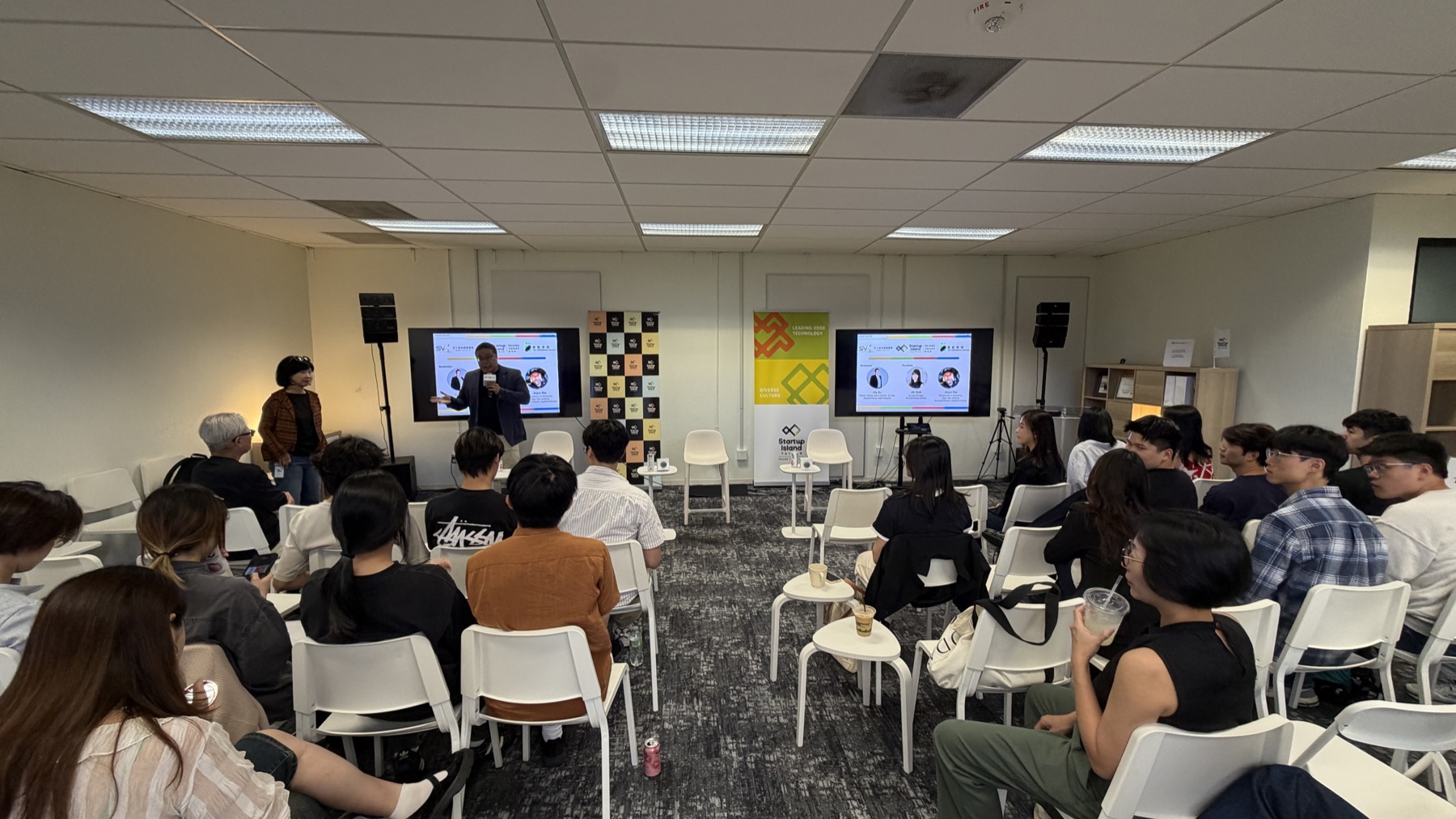
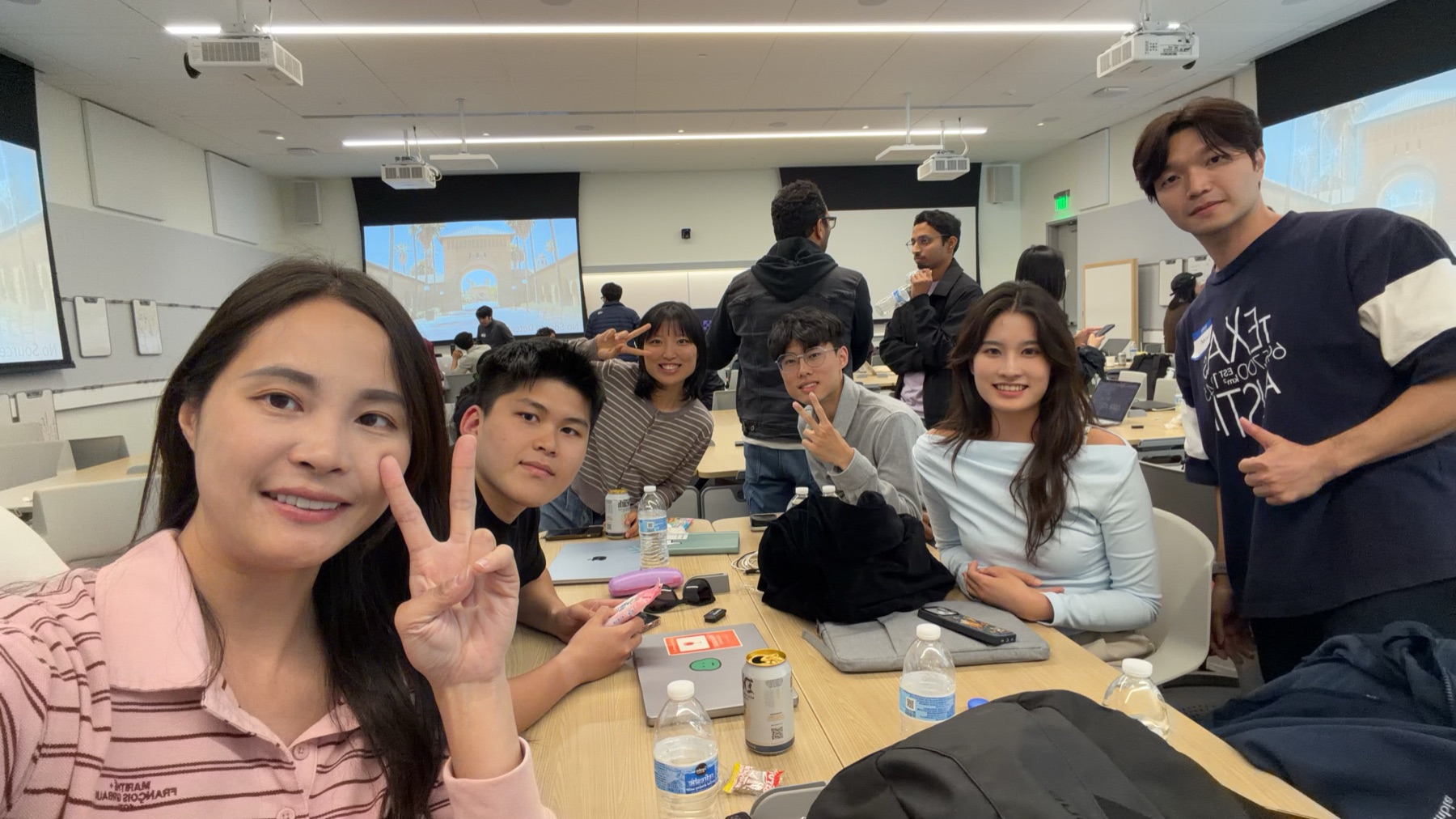
One morning when I checked into Formosa Founder House, I opened my door to four CMU students on a startup team visiting for a YC event. We spontaneously had lunch together.
Cramped in my back seat, we had a wonderful meal. I discovered one of them grows and sells ornamental trees from home in the US, and while still in college, they were already discussing container shipping logistics for plants—I learned something new. The others discussed entrepreneurship and relationships from their perspectives.
Friends close to me know my "true self" is reserved with strong boundaries, introverted and distant, I don't easily chat with strangers, especially at spontaneous gatherings not on my schedule—I always resist.
In Silicon Valley, I understood I need to let go of this self-imposed constraint to open more doors to the world. From these conversations, I gain entirely new perspectives and insights.
#Threshold: Someone Else's Floor is Someone Else's Ceiling
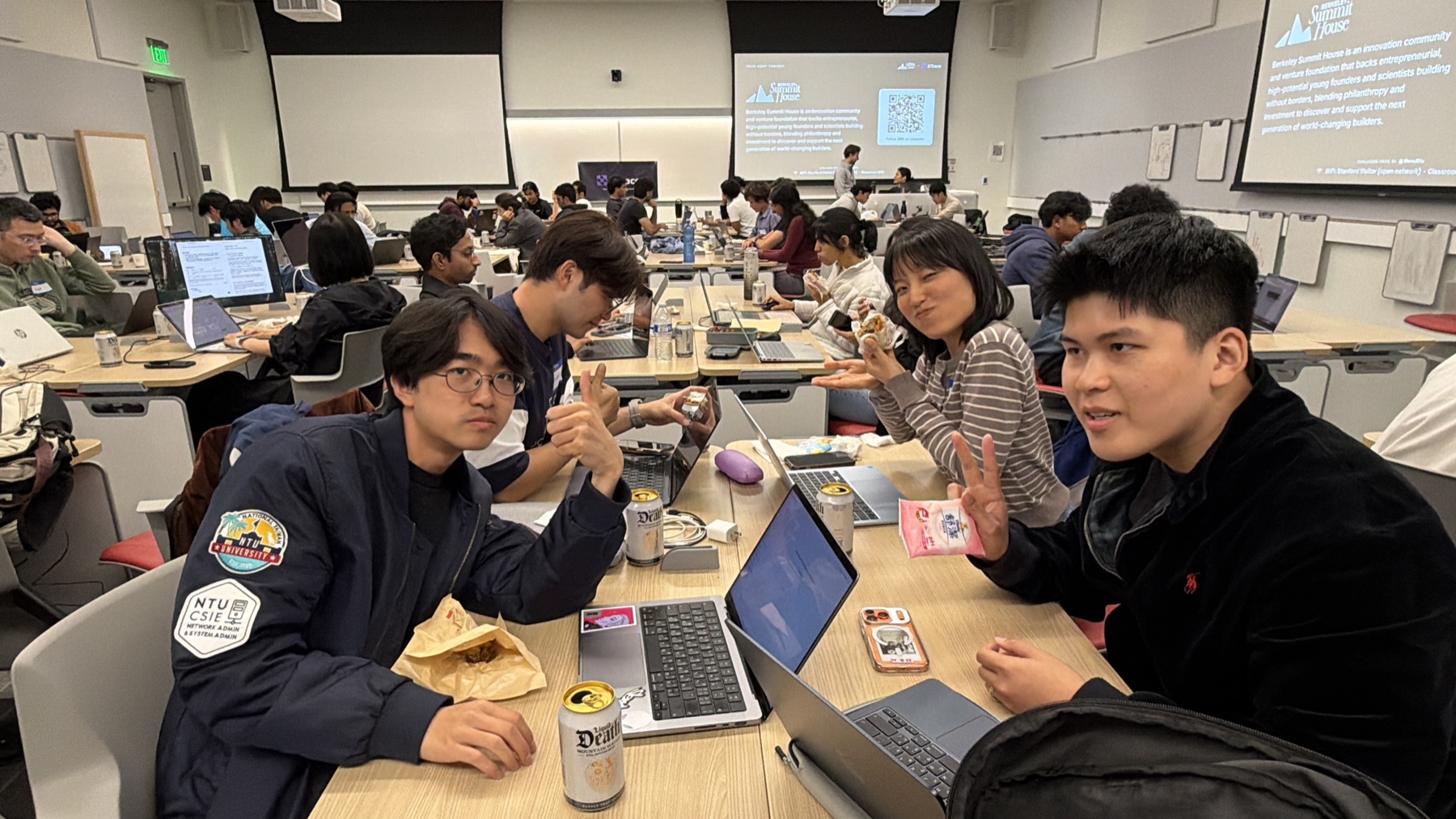
"My relative works on Wall Street, and recently passed through San Francisco to visit me," a student mentioned. I jokingly told them, "Passing through San Francisco—that's quite a privileged thing to say." But I knew clearly that for them, it's normal life; they don't think it's anything special. It's people like me, ordinary people, who notice something unusual about it.
I've interacted with many students from various institutions—NTU, NYU, CMU, etc.—with good family backgrounds, parents who are doctors, professors, entrepreneurs, broad perspectives, excellent knowledge and abilities, well-read and courteous, humble and well-behaved. And this is their floor, yet many people's ceiling.
They know they don't need to struggle for survival, but want to understand what that process is like. In one conversation, I told them plainly: you can't possibly know, because you can only experience it as a visitor, not live in that environment. I've wished I were a second-generation wealthy person, but they'd say it's a difficult struggle, or "I only work hard to prove I have real capability."
Everyone has different challenges. If you only look at the glamorous side, it's too one-dimensional.
Back to emotions and answers. Before I came, I had many inner conflicts and unresolved emotions. At some moment, I found the answer for myself—truth lies deep, and unspoken honest behavior reveals intentions, consciousness, and thoughts.
The day I found the answer, I slept until 10 AM for the first time in a while. I once discussed with someone whether "actions" or "words" matter more. We both agreed it's actions—language can be packaged, but behavior is hard, very hard. Yet emotions easily distort truth and affect decision-making, leading to behaviors others can't understand. If only, in confusion, we had a clear decision-making system unswayed by emotion—but maybe that's what makes life worth savoring.
I'm grateful for everything.