Karen's Silicon Valley Life Second Week
Unlike the life in Taiwan—Uber + UberEats everywhere, staying home after 6:30 PM watching dramas and working—in Silicon Valley, I make my own breakfast, cook porridge, drive back and forth to the city, and my entire existence revolves around three things: Working, Event and Gathering.
Endless AI events, hackathons, conversations with founders that never seem to end, the vibe of coding anywhere, plus juggling different tasks between Taiwan and the US. Though busy, it feels grounded.
Feel Free—that's what I felt this week.
Maybe because life has become more manageable, it's brought a sense of rhythm. Compared to last weekend when I needed plenty of time to decompress, me time, feeling confused and anxious about everything, this week I focused more on thinking: how do I do things that can't be done in Taiwan? Otherwise, why fly to Silicon Valley?
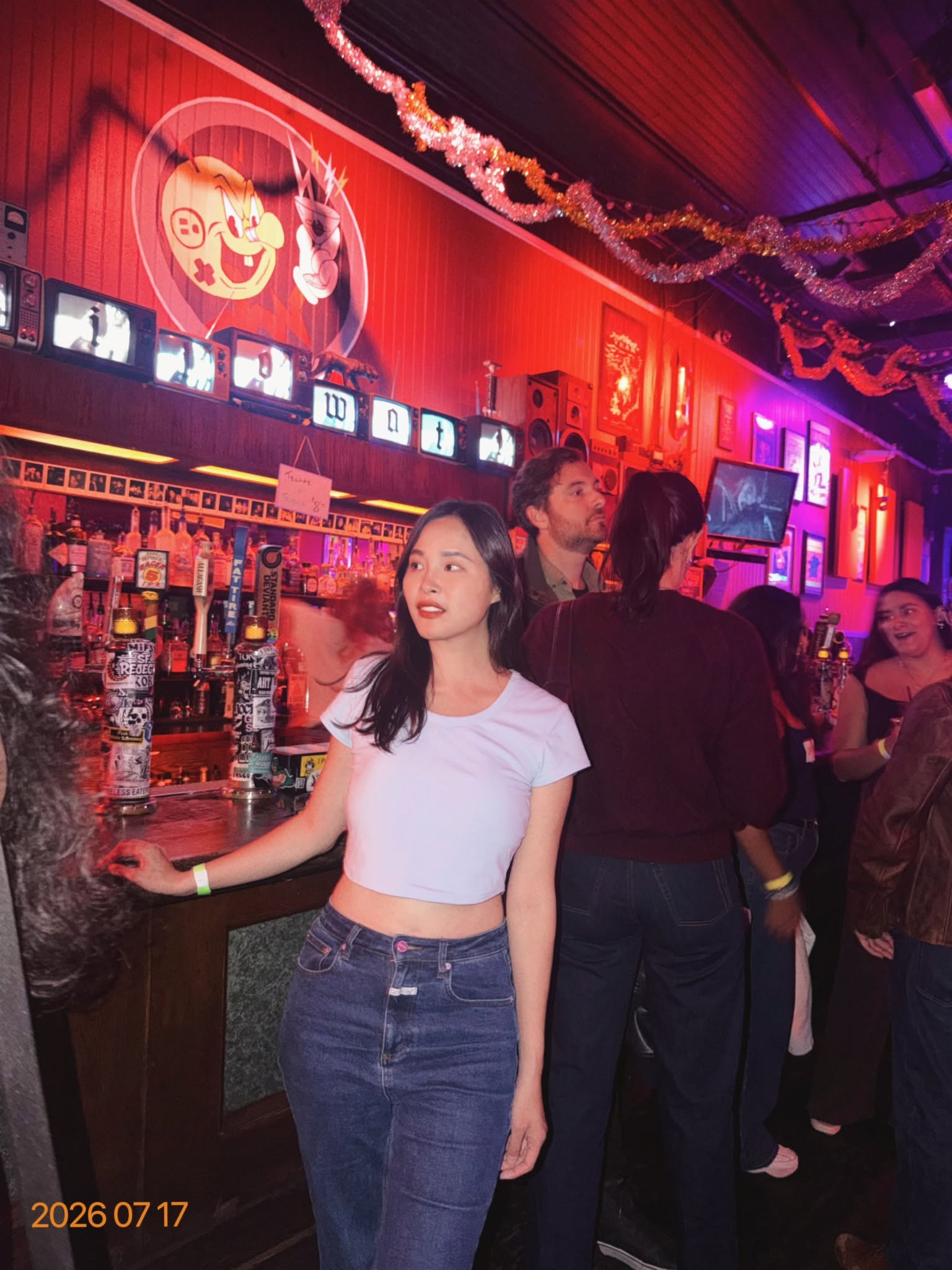
#drive Renting a Car: The Key to Freedom
Renting a car is one of the keys to my Feel Free. A few days ago, I wanted to test what life without a rental car would be like, and found that Uber/Lyft/Waymo costs would rack up to quite a bit for the week—and that's only because many trips I got rides from friends. Although renting a car with insurance costs about 70,000 TWD for 40 days, not having to depend on anyone else's schedule, being able to control departure and return times, and thinking through route planning and meetings while handling parking and such—it makes me feel like a sophisticated adult (?).
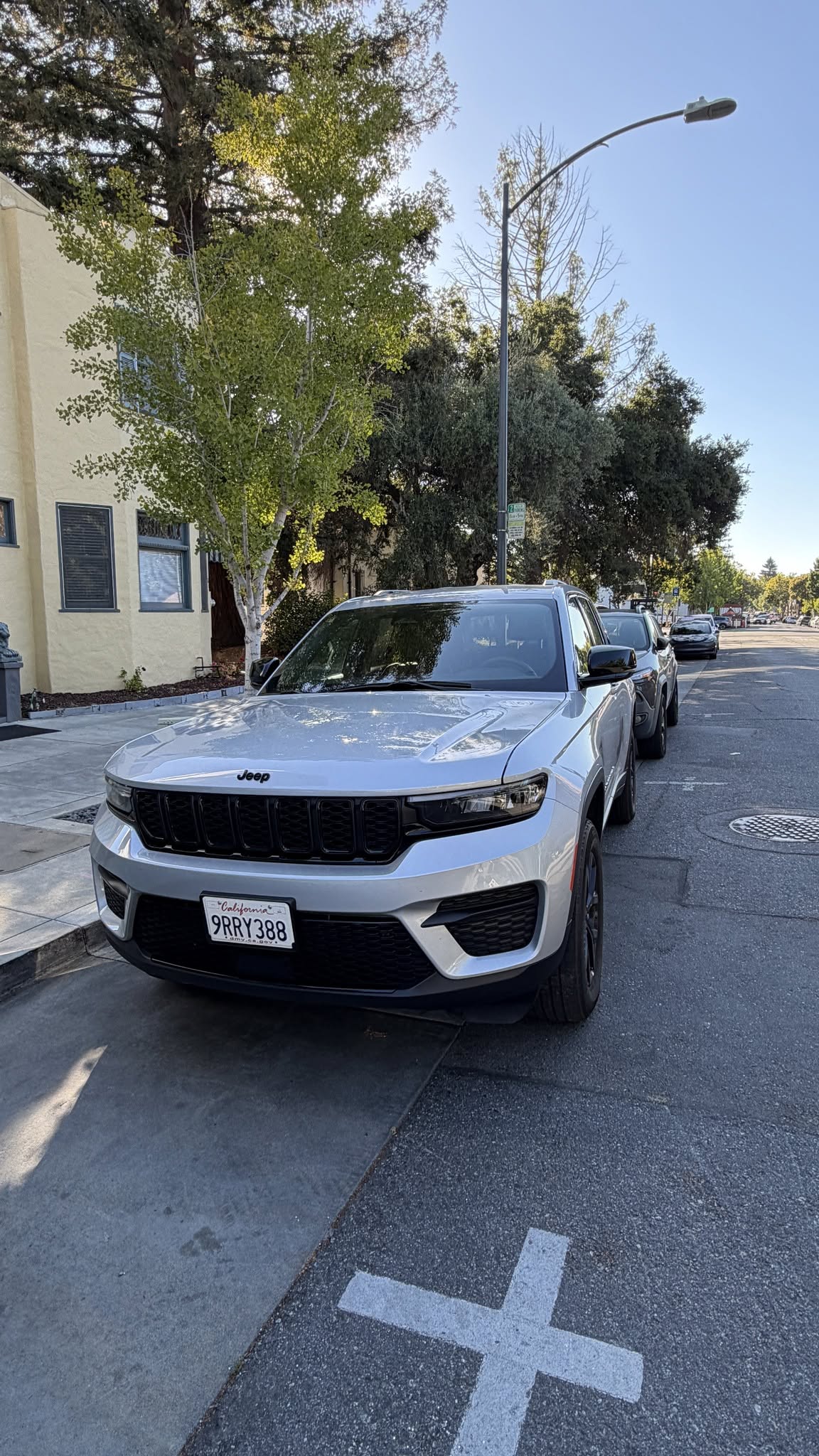
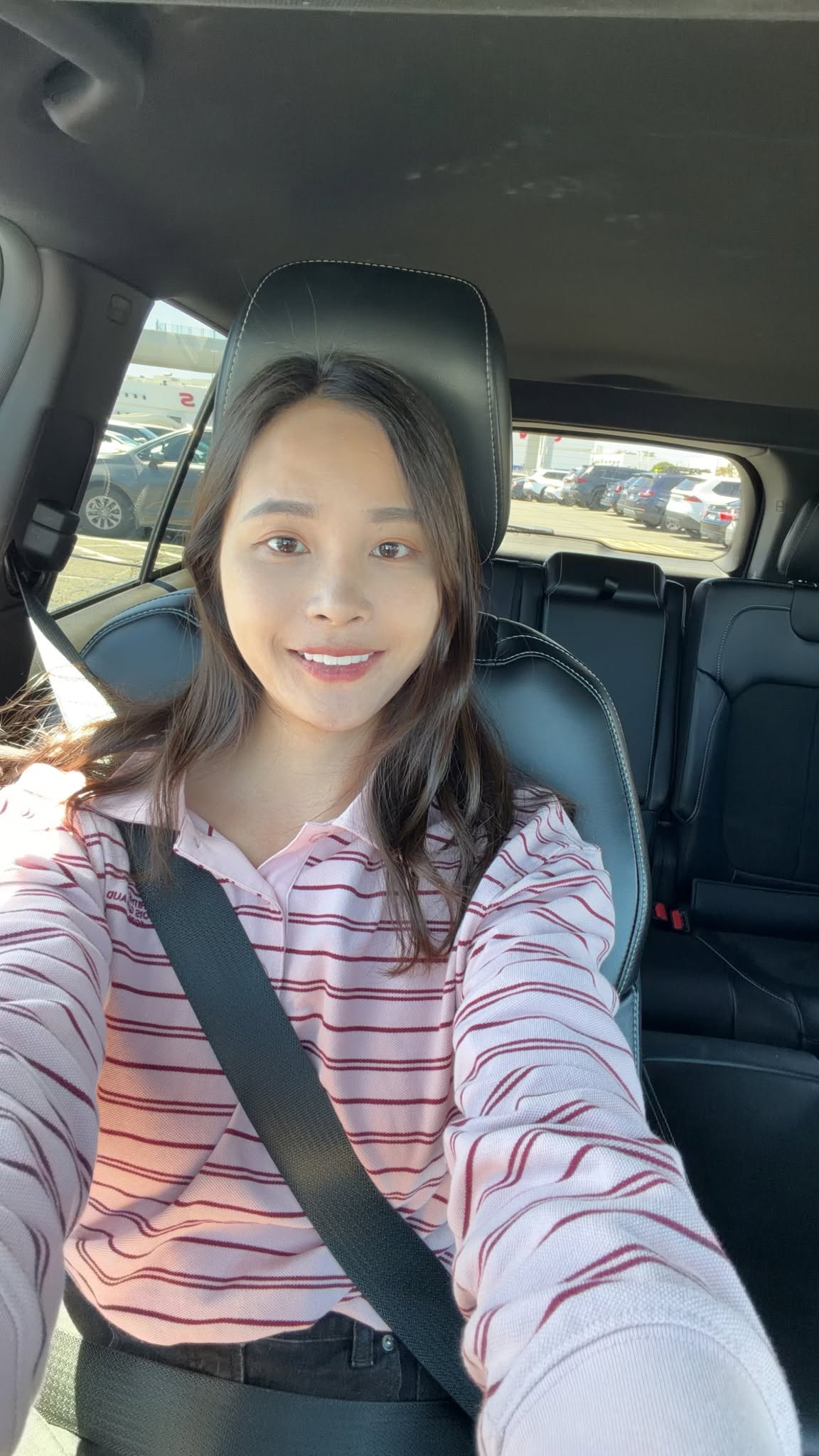
#fullEnglish Adapting to English Starting from the Smallest Units
I'm quite certain I'm the weakest English speaker in the entire team, yet I'm burdened with the responsibility of being a teaching assistant and external communication. Of course, my students have been very encouraging, and very dutifully help me. They generously invite me to ask them directly, or share from their own long-term overseas living experience—telling me how difficult it was when they first came, giving me confidence.
Thinking back, when I studied in Korea back then, I didn't know a single Korean character. Now the starting point is so much better. To face this fear head-on, I switched my software language to English, even my car navigation and music are all in English, letting myself adapt from the smallest units. When Taiwanese people message me in English, I no longer fear being corrected for grammar—I just engage in conversation with them in English.
Though these are tiny changes, I already feel quite comfortable. My tutor says "your first task is to feel comfortable"—that's indeed an important thing.
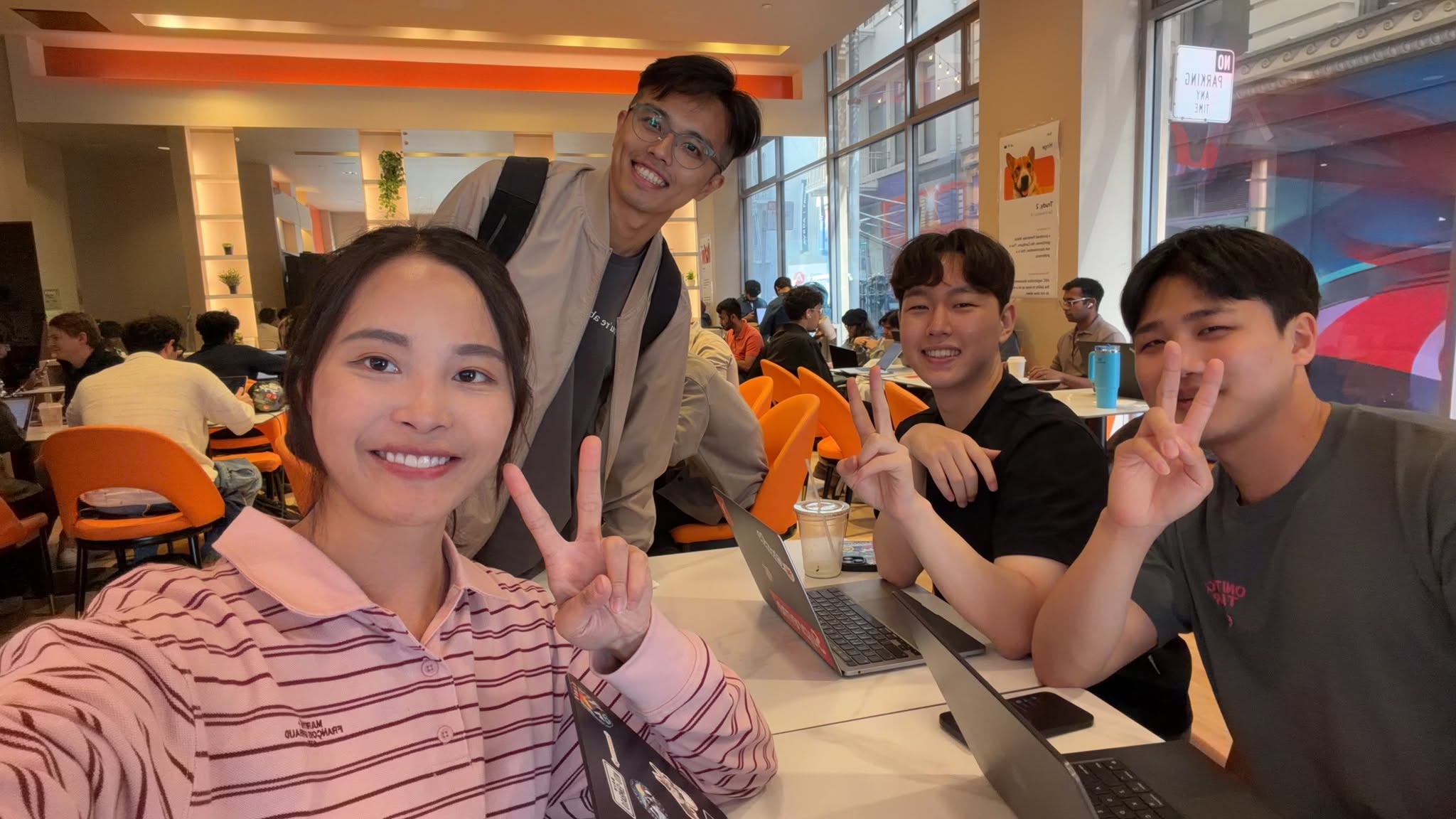
#openmind Accepting the Blur Between Certainty and Uncertainty
Because I'm meeting a lot of new people in a short time, I sometimes feel nervous, unconsciously falling into self-censorship and hesitation. But one time when Professor Zhuang noticed this mood, he told me "It's okay, open mind." So whenever I catch myself with preconceived notions, I choose to let go of my self-righteousness, open mind and accept everything the world offers me—sometimes be a sponge, sometimes be iron, don't need absolutes for everything. Accept the blur between certainty and uncertainty; the blur is also a form of existence, and existence is only defined by yourself.
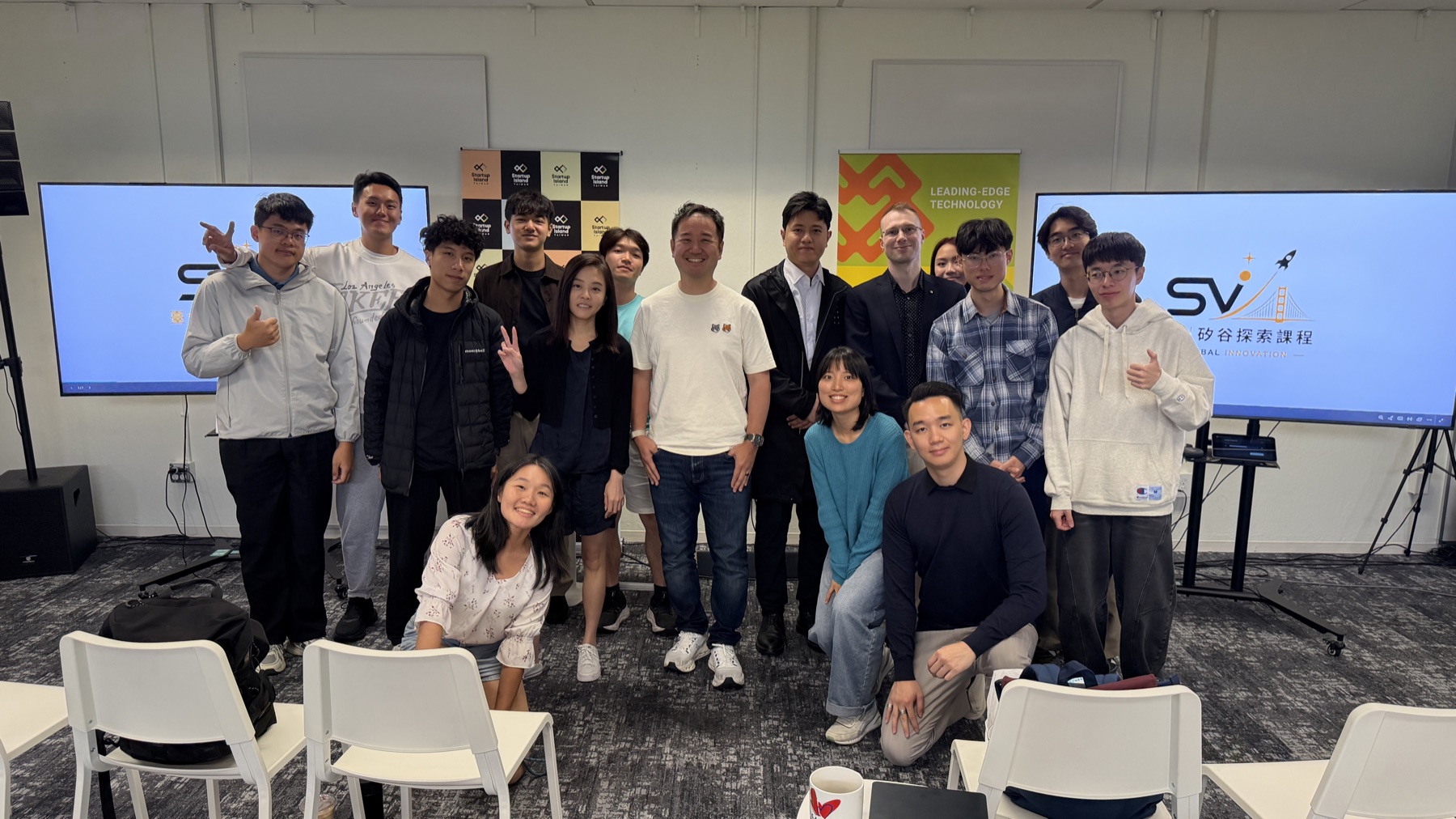
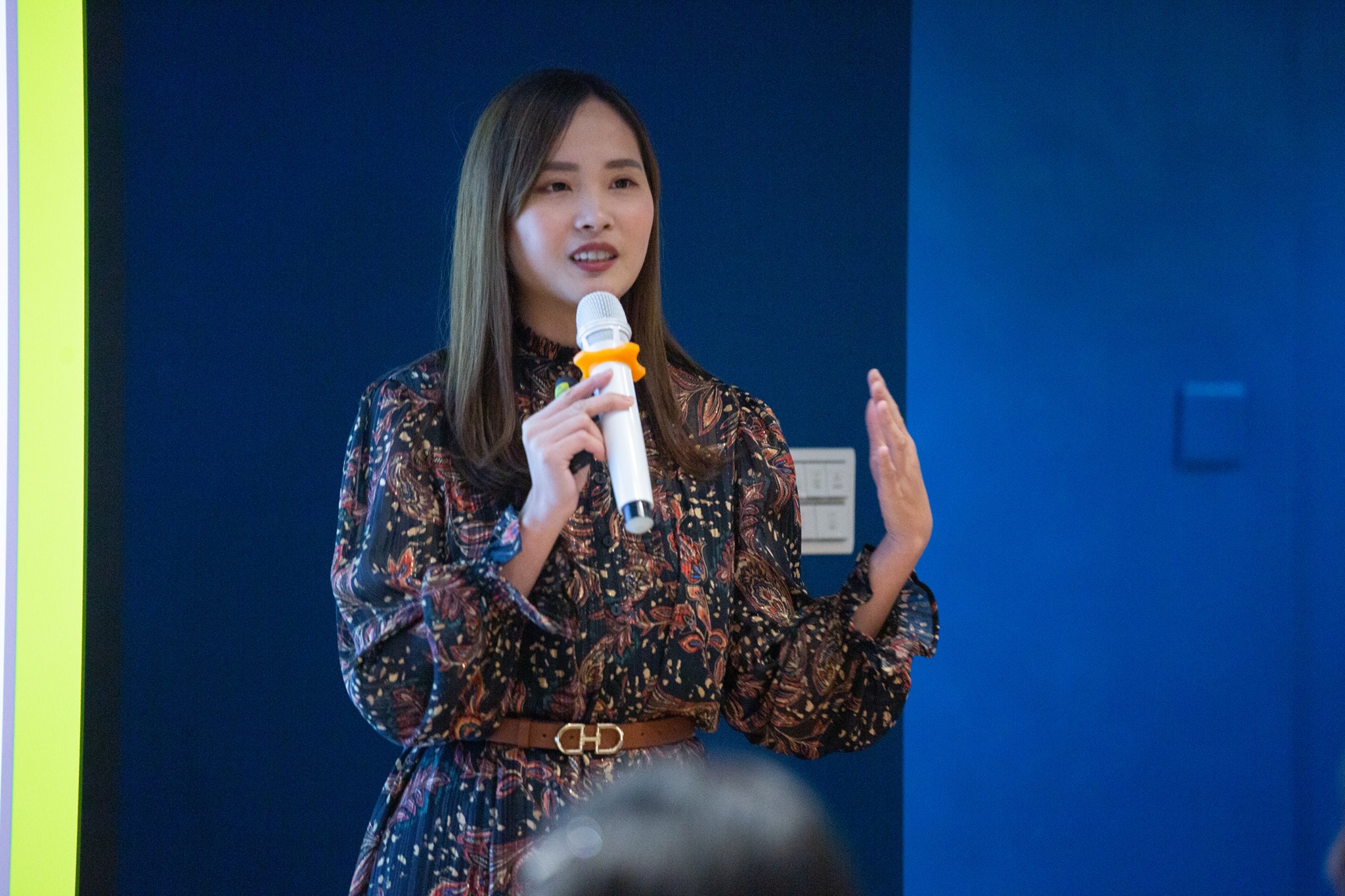
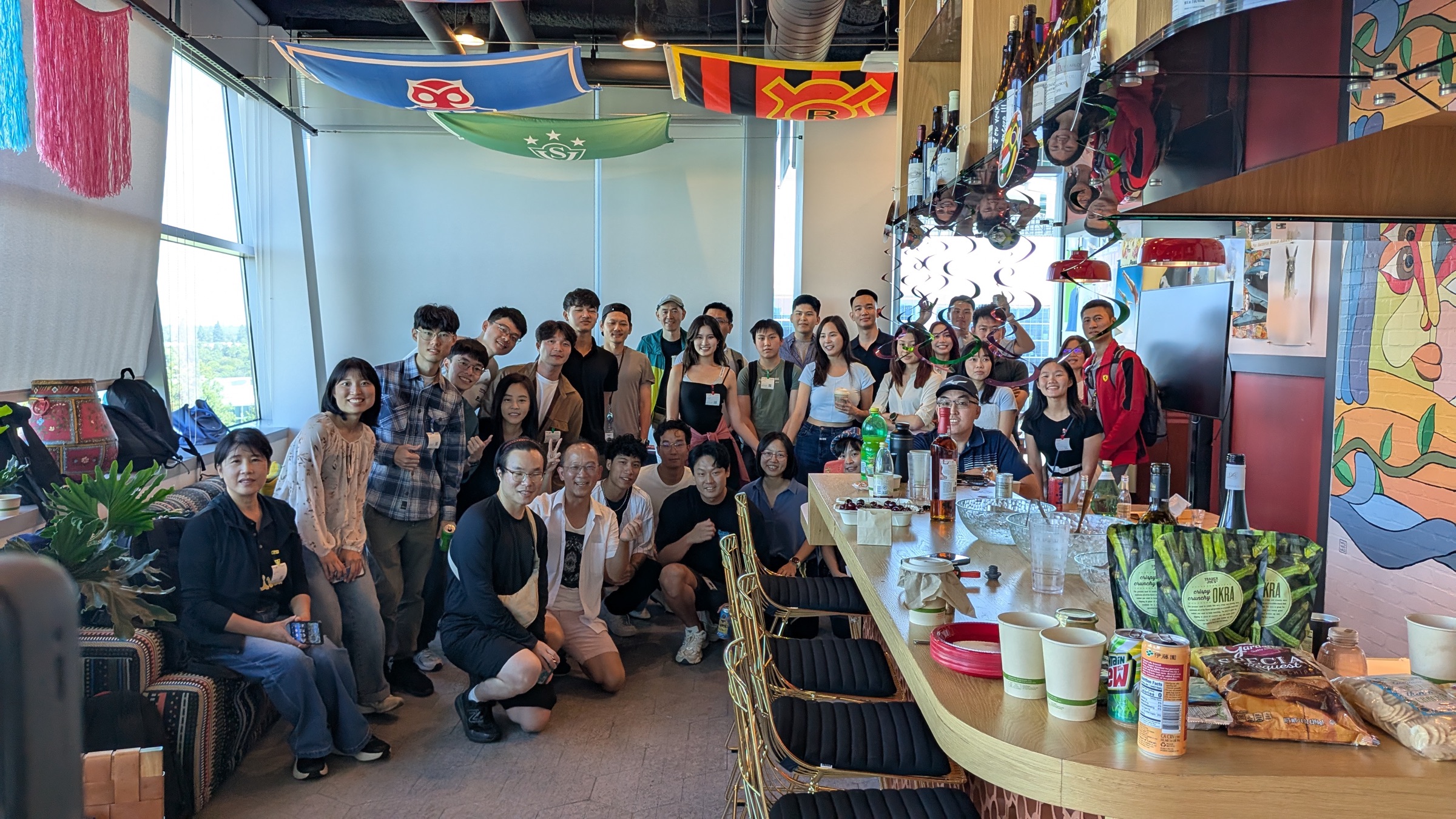
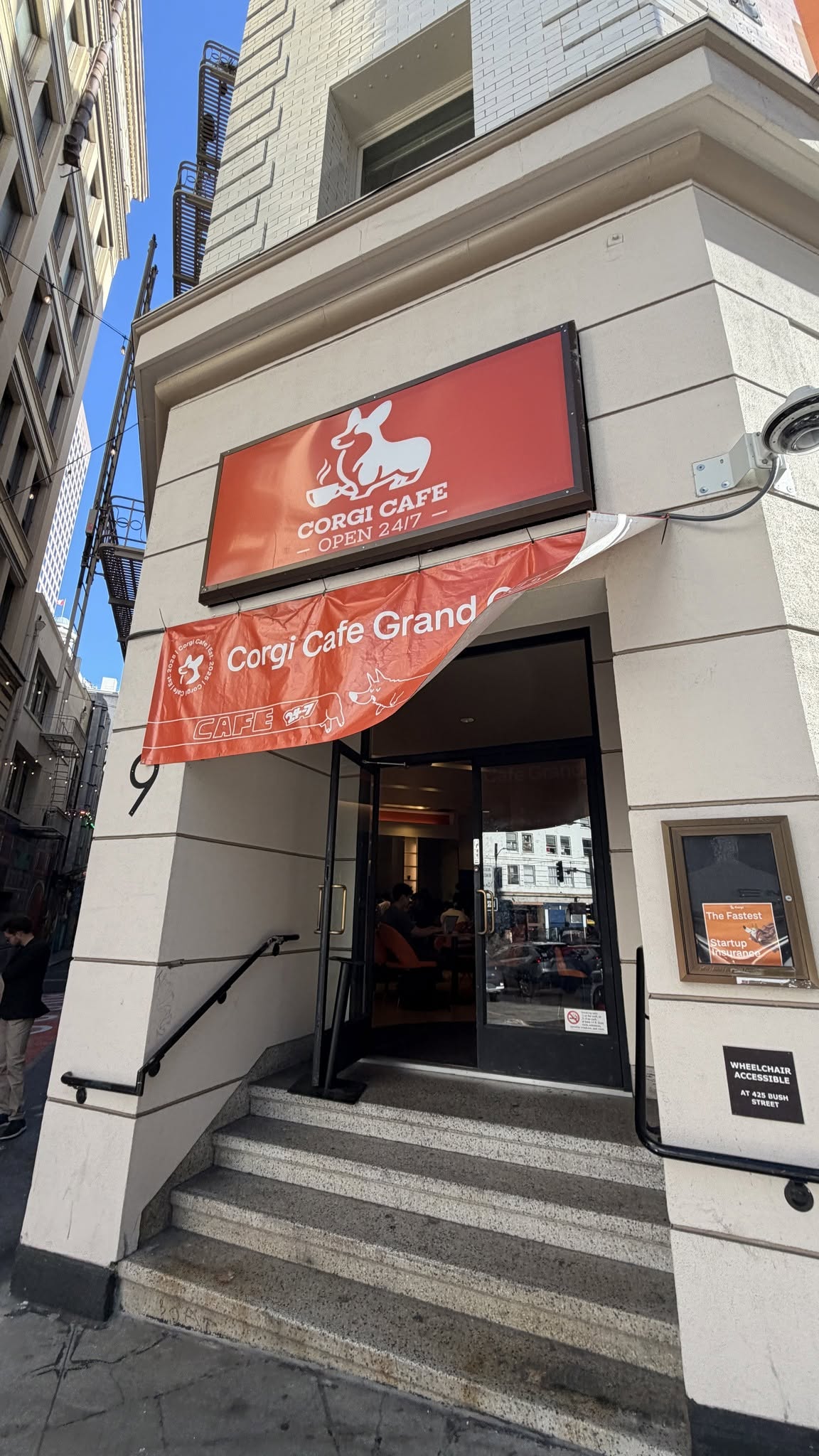
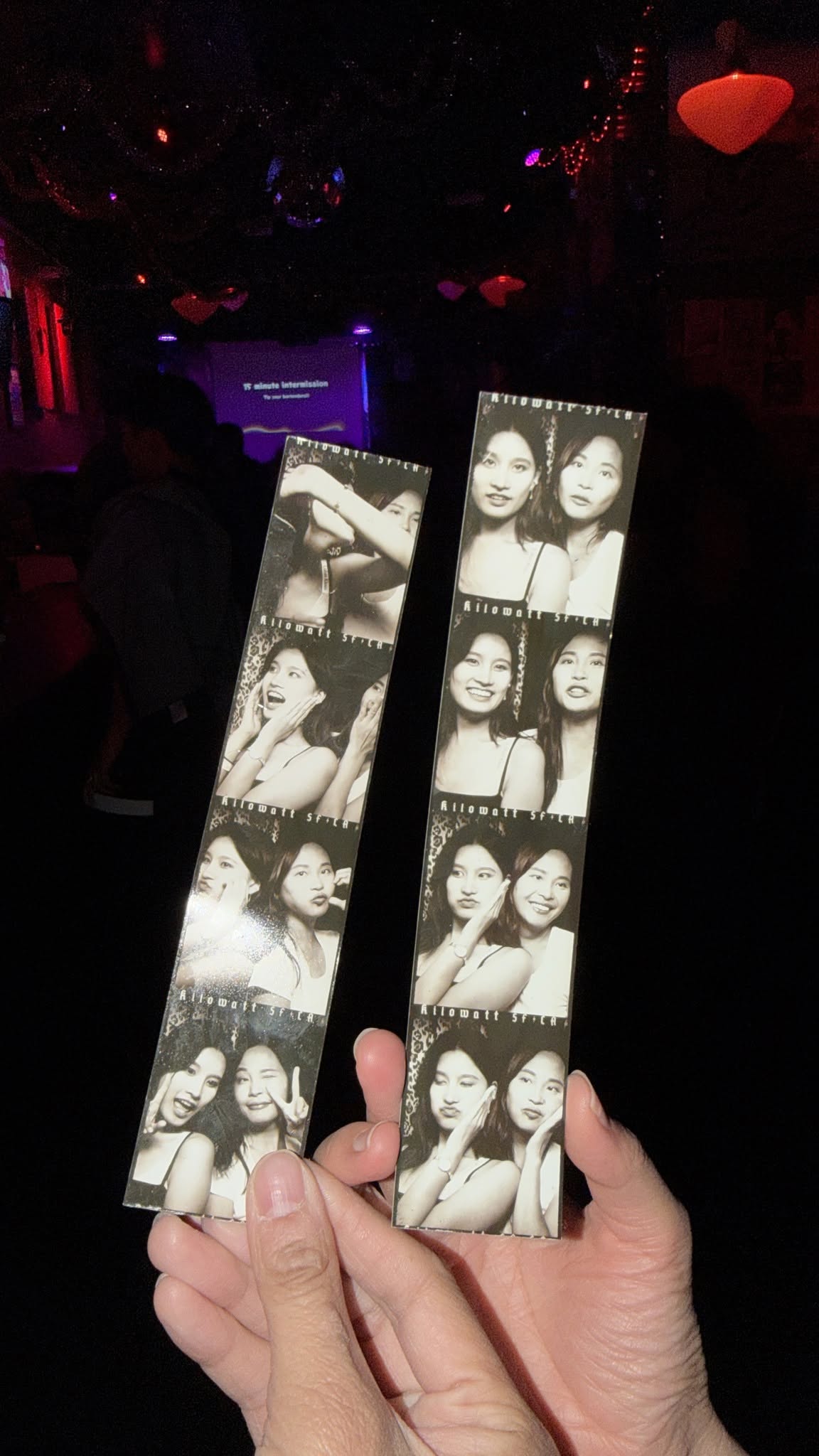
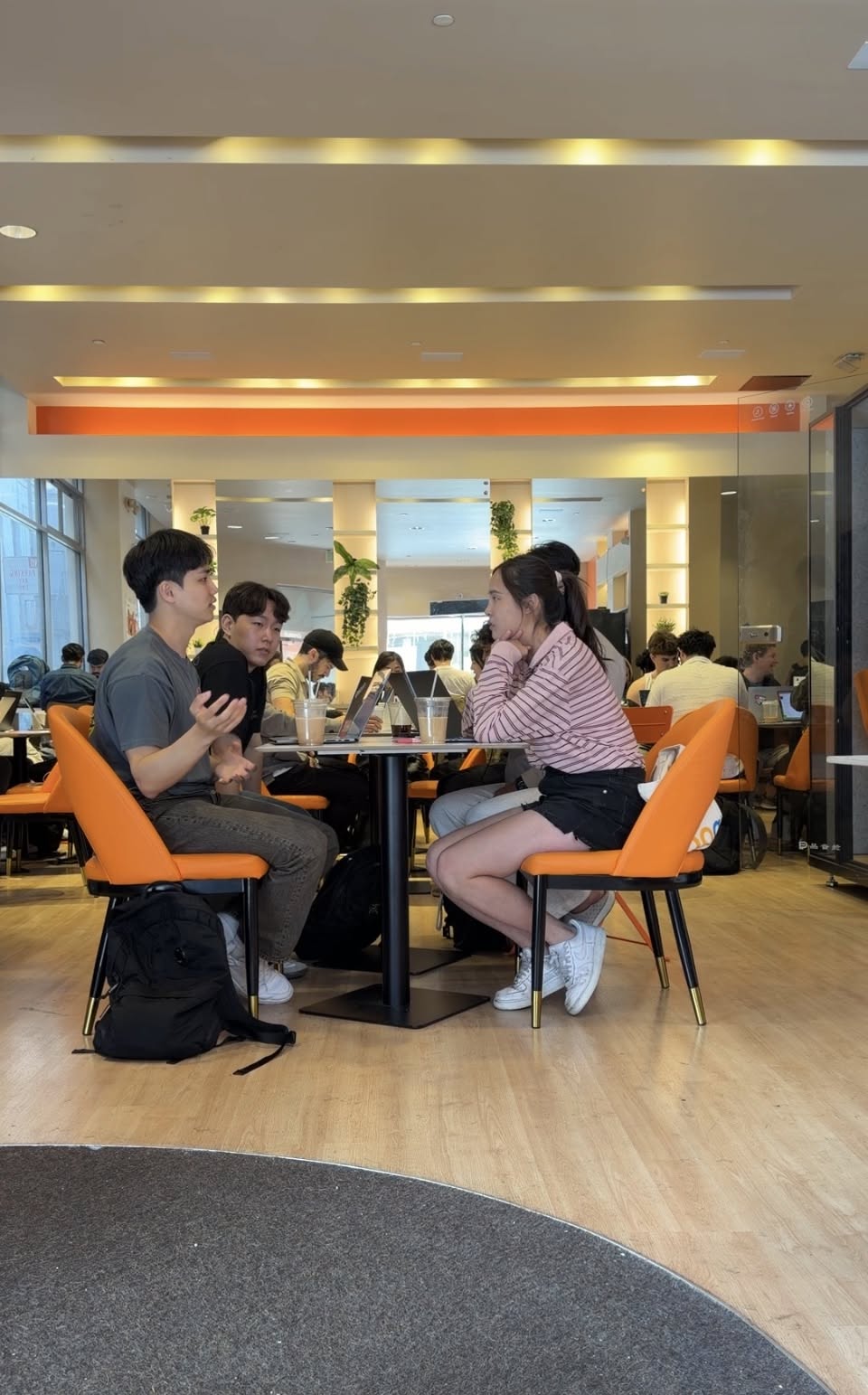
With an open mind attitude, I attended many events, traveled back and forth to SF, signed up for hackathons, chatted with people at Corgi Cafe and had conversations in English, and eventually organized my own event too XD.
#conversation Conversation: Co-created Between Both Sides
In Silicon Valley, there's a lot of conversation with others and with myself—something I wasn't good at before. I'm good at articulating my thoughts fully, but in the process, I often notice that I'm always the one talking. My past experience was: establish context between both parties first, create empathy, and the other person will naturally respond—but this requires long periods of resonance, which Silicon Valley doesn't have.
"Conversation" should be through mutual questions and answers, back and forth, co-creating the conversational context, rather than me completing it unilaterally. Otherwise, why do "we" need to be here? So I learned to hold back, observe how much the people present are talking, try to balance it out, and not fully articulate my thoughts upfront. If the other person is curious about you, the conversation will move forward.
This has greatly helped me in building relationships, and it's been a reflection on my own personality.
Silicon Valley vs. Taiwan: What's Different in the Startup Ecosystem?
Working, Event and Gathering—this lifestyle is diverse. Recently I saw a discussion: what's different between Silicon Valley and Taiwan's startup ecosystem?
Taiwan startups often amplify fundraising amounts as highlights, or rely on government subsidies. But when KPIs are met, do they truly create corporate value and market value? When we got subsidies back then, because the environment changed, I wanted to adjust our review targets, but was refused. We had to complete targets that no longer matched our product's current state. Of course, all that support is important, but could there be more flexibility to fit the market environment?
In Silicon Valley, startup discussions focus on: what problem does it solve, narrative structure, worldview, transactions, customers, business connections, growth potential and various possibilities—fundraising is the final outcome of these elements. When sitting on the train next to someone who raised 1.5 billion TWD, how do you replicate that kind of environment?
Creating Value Through Choice
Constrained by environment, we often fall into linear thinking, believing that the world as I know it should be that way. But the real world isn't made up of the knowledge individuals are fed.
Some things, I understand, so I chew on them, digest them, understand them, accept them, and adjust my step; Some things, I don't understand, so I accept and respect them; Some things, I don't understand, and I don't respect or accept them either.
Through choice, create value.