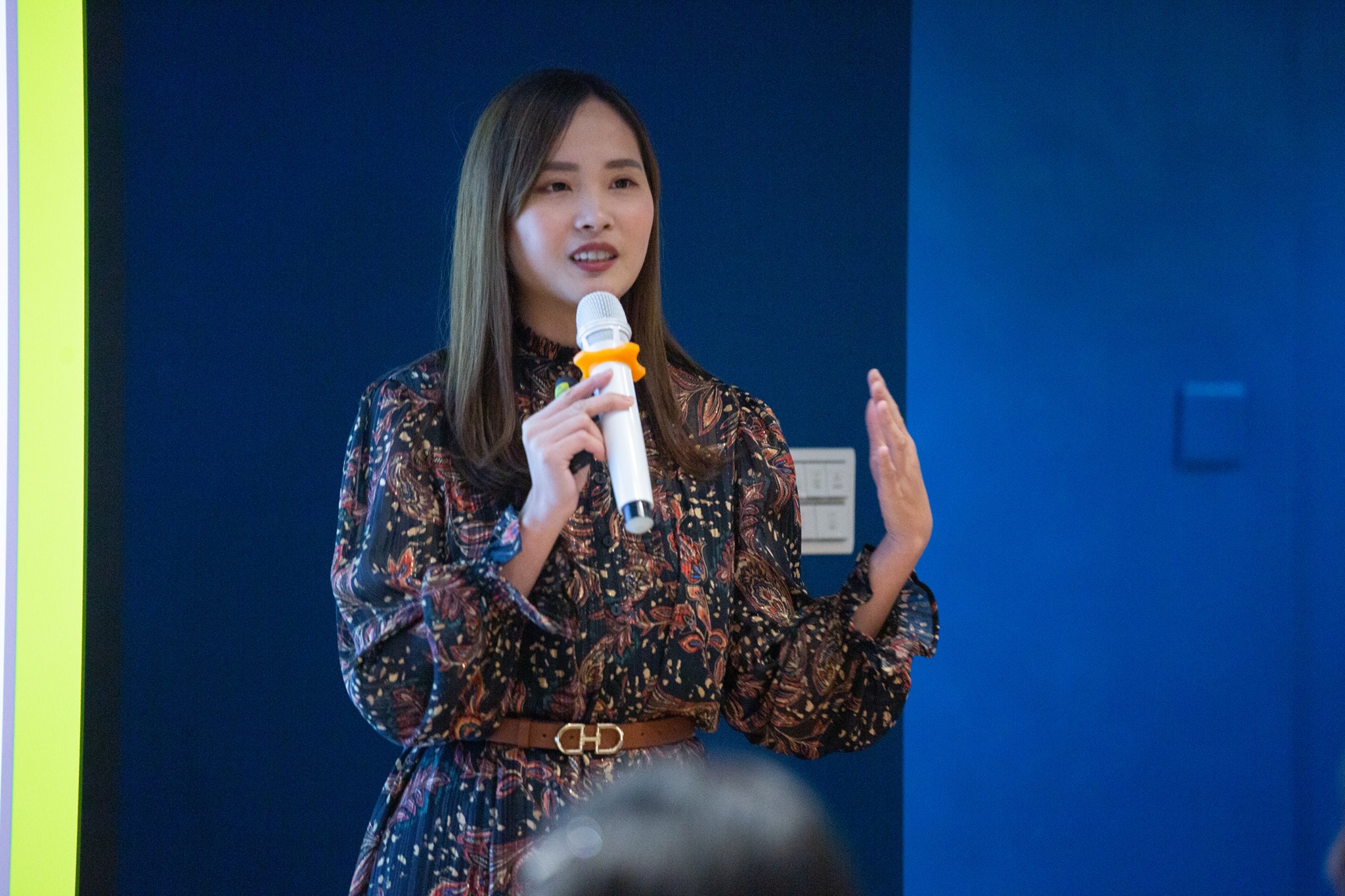
 On 3/14, during a time master lecture, an audience member asked about time management
This article originated from a good friend asking me about time management. I replied with 941 characters in 15 minutes, which is this article. I've corrected the language and am sharing it with everyone.
Regarding time management, I don't think I have a set of strict rules, but what I can share is that since high school, I've loved keeping a handwritten planner. I write down the deadlines for submitting things, then work backward based on my own capabilities to set my own deadlines, rather than using dates given by clients or others.
Another approach is organizing files. For me now, I've divided my computer into two folders: Karen and Yalin (my real name). Karen contains all my collaborations and article invitations related to my fan page, while Yalin contains my personal life—my day job, resume, photos, and so on. Using this system saves me a lot of time.
In terms of actual execution, I think understanding your own habits is very important. I don't need much sleep—I sleep about 5 hours a day. Even if I have nothing to do, I still only sleep that long, or add 1-2 more hours on weekends.
Another factor is arranging your time based on your self-assessment of how long tasks take and your mental state. Let's say I have four things on my plate today:
-
Finish one article
-
One PPT presentation
-
Graphic design
-
Social media scheduling
 Time management isn't about slicing your life into pieces, but rather weaving efficiency and personality together
I first prioritize by urgency and importance, while considering my own efficiency and personality in completing tasks. For example, I know that if something isn't finished, I'll feel very anxious and urgent about it. So I try to reduce four things to three, then gradually whittle them down. If I can't complete something all at once, I'll get every task to 50% progress first to reduce my anxiety.
With the above tasks, I know I can write an article in just one hour. Social media scheduling doesn't require much brainpower, graphic design requires significant focus, and the PPT needs three solid hours.
So I'll definitely schedule social media first, reducing four things to three. Then I'll write the article. When I run out of inspiration, I'll work on the PPT and rotate between them. I can usually complete two tasks in 3-4 hours this way. If I need to push it to the next day, I'll either finish the article or get it to 80%, and jot down what I need to write next in the blank space. When I return to it, I can pick up right where I left off without wasting time thinking again. (The same concept applies to writing papers.)
I save graphic design for last, and the reason is that I really enjoy doing it. While it's not necessarily professional, once I start, I lose track of time and barely check my phone or watch videos—my focus is very high. So I choose to do it when I have a solid block of uninterrupted time. And because I seek that uninterrupted time to sit and focus properly, graphic design doesn't make me feel time pressure or stress.
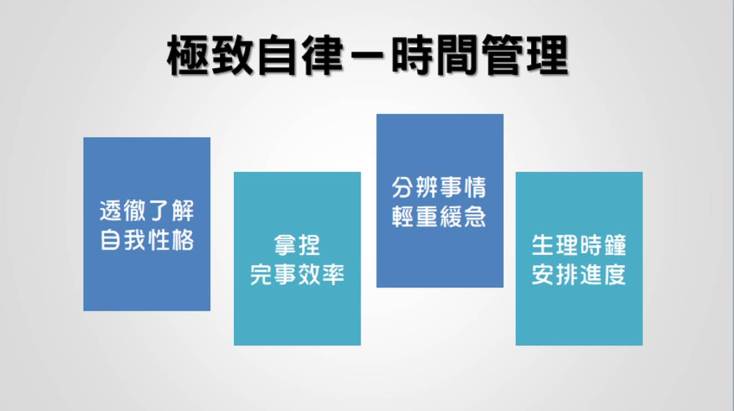
If I had to say what my time management secret really is, I think "thoroughly understanding your own capabilities, how well you can handle different tasks and your efficiency with them, and arranging your schedule according to your natural body clock" is key. Rather than dividing time into hourly units and filling them with tasks, doing that leaves no flexibility and, if you don't complete something, you'll feel self-blame and disappointment, which actually slows progress.
I also watch K-dramas like anyone else, but with the condition that my work is on schedule, or I make a deal with myself to watch 1-2 episodes a day only after I finish my tasks. I can't be greedy.
Some people call this ultimate discipline, and you could say it is. But society generally thinks discipline means strictly forcing yourself not to do things you want to do—like taking breaks or relaxing. However, I define extreme discipline differently: it's about how well you understand yourself, not conforming to society's norms and frameworks. Rather, "clearly knowing what to do at what time for maximum efficiency," or understanding your own weaknesses and finding alternative methods to compensate and achieve double the capability—that's the best management approach.