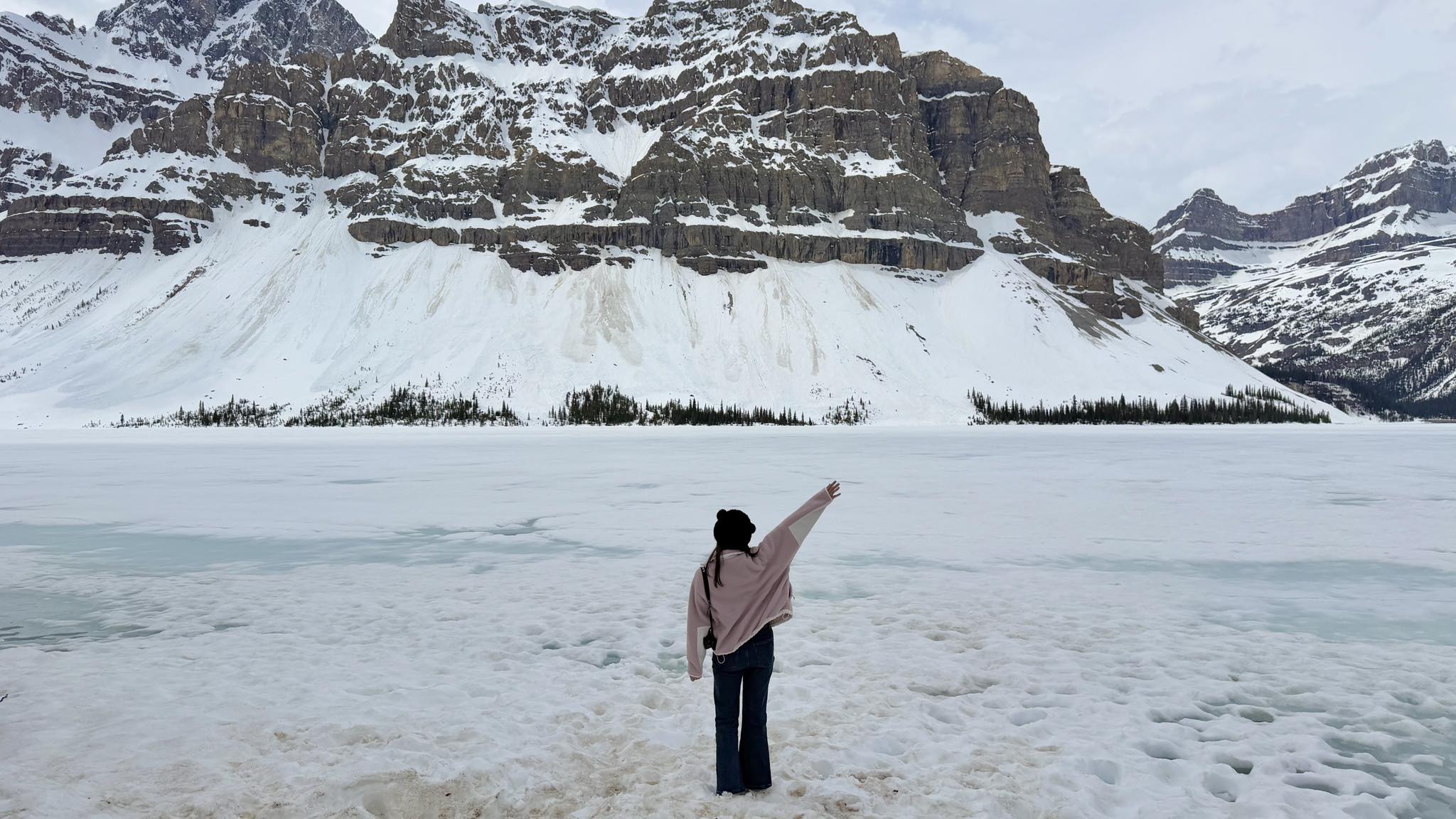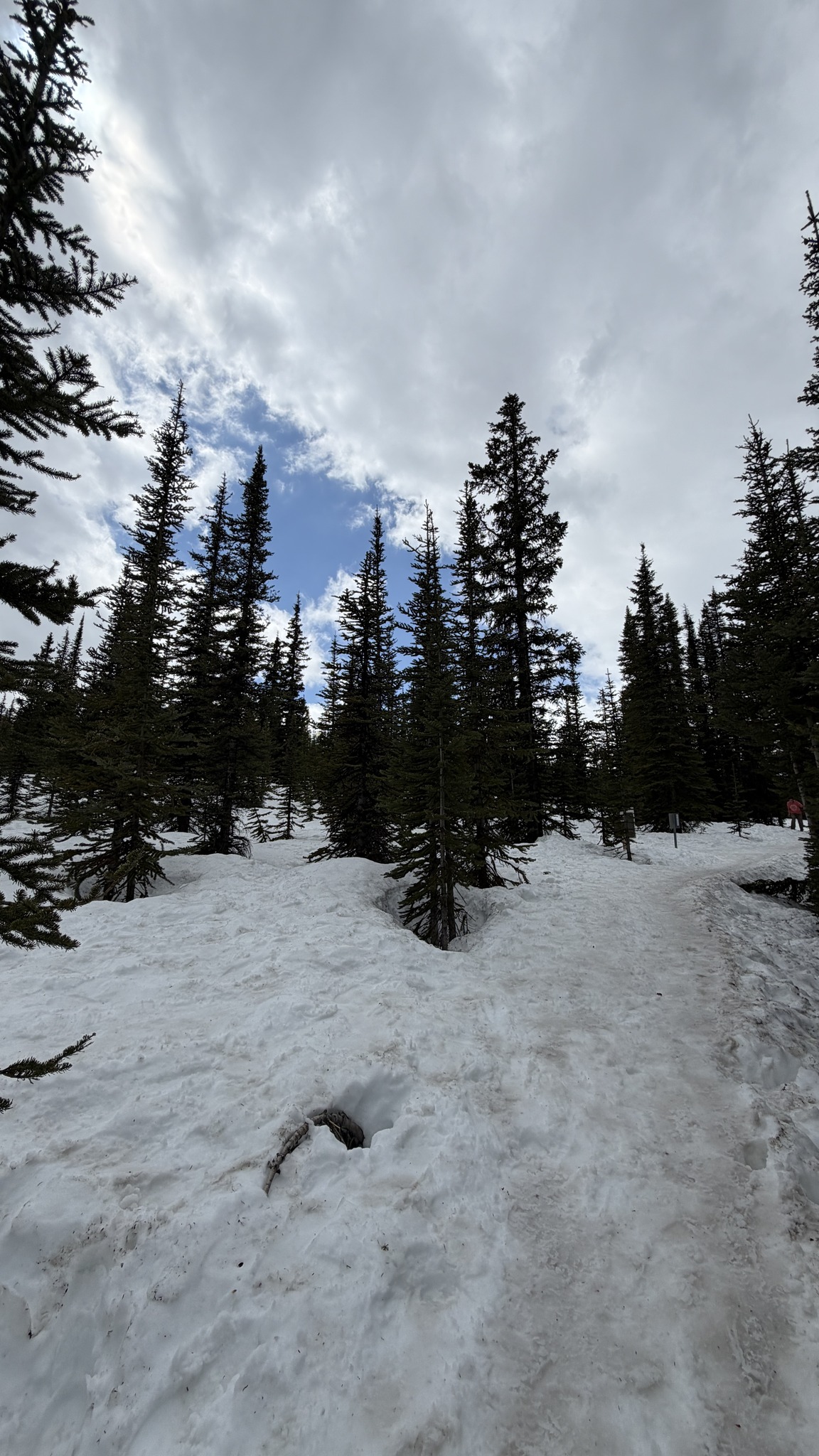
"wrong shoes" on a snow-covered mountain path—that's what a passerby told me I was wearing shoes that didn't fit.
This suddenly reminded me of being twenty-five, when I hated it whenever anyone mentioned the word "experience." I always felt experience was just a constraint imposed by others, while I could create countless new possibilities. And I did create some. People along the way were willing to lend a hand.
But back then, I couldn't tell which of the hands reaching out represented a real opportunity—or rather, every hand was actually an opportunity, I just didn't have the ability to judge. At that time, I only wanted to follow my heart and get to know myself better.
Fellow Travelers on the Mountain Path
On the climb, you encounter all sorts of people. Some companions encourage you, so that even when you can barely catch your breath, you're willing to take one more step. Some companions point out your mistakes—words like that are never easy to hear, but if you could have listened then, they would have been a gift.
And then there are some companions who are wearing the same wrong shoes as you, yet they want to lend you a hand. But when two people walking the wrong path pull each other along, you just end up spinning in the same vortex of error, sinking deeper.
If you could scout the path ahead first, do some research, maybe you could get better equipment, walk faster and more steadily, even run forward.
Those difficulties you originally thought were insurmountable could actually let you run around freely within a safe range, play as you wish, and keep trying many possibilities.
And all of this depends on whether you've prepared well enough, and who you meet along the way—whether you can recognize "opportunity" in its many different forms.
The Posture of Falling
When you stumble and lose balance, you will fall. But as long as you're willing to lower your center of gravity, crouch down and lay low, you can still move forward. Just that the posture of moving forward might not be what you originally imagined. But in such circumstances, being able to keep moving forward seems to be enough.
Except—when you look back ten years later and realize you missed an opportunity that was actually the right one, during this time you might keep thinking: "If only I had done this or that back then."
So what if we don't want to live in the regret of "if only I had..." all the time?
Then we must elevate our own awareness. Only then can we, among many options, judge which one truly helps us and has long-term value.
Rather than seeking a short-term solution just to quickly resolve the current emotional turmoil—burying various risks of unease along the way.
Two Types of Reaching Hands
Some people think you need help because they themselves also need help—they're actually crying for rescue.
While some people, knowing you need help, won't interfere with your decision because you haven't asked, and won't use their resources to help you.
They'll only remind you at certain moments: you can do better, there's still room for improvement here.
That's what distance and boundaries are like between relationships.
The Path You Chose Yourself
We'll never know in the moment whether the decision in front of us is right or wrong. We can all walk our own paths and see our own landscapes.
Maybe we took many detours. Maybe we spent lots of time.
Or maybe you accepted help from others, saved time, but missed the real opportunity to look inward and question yourself.
There's no definite good, and no definite bad. That's what life is—all chosen by yourself.