By Karen Yang
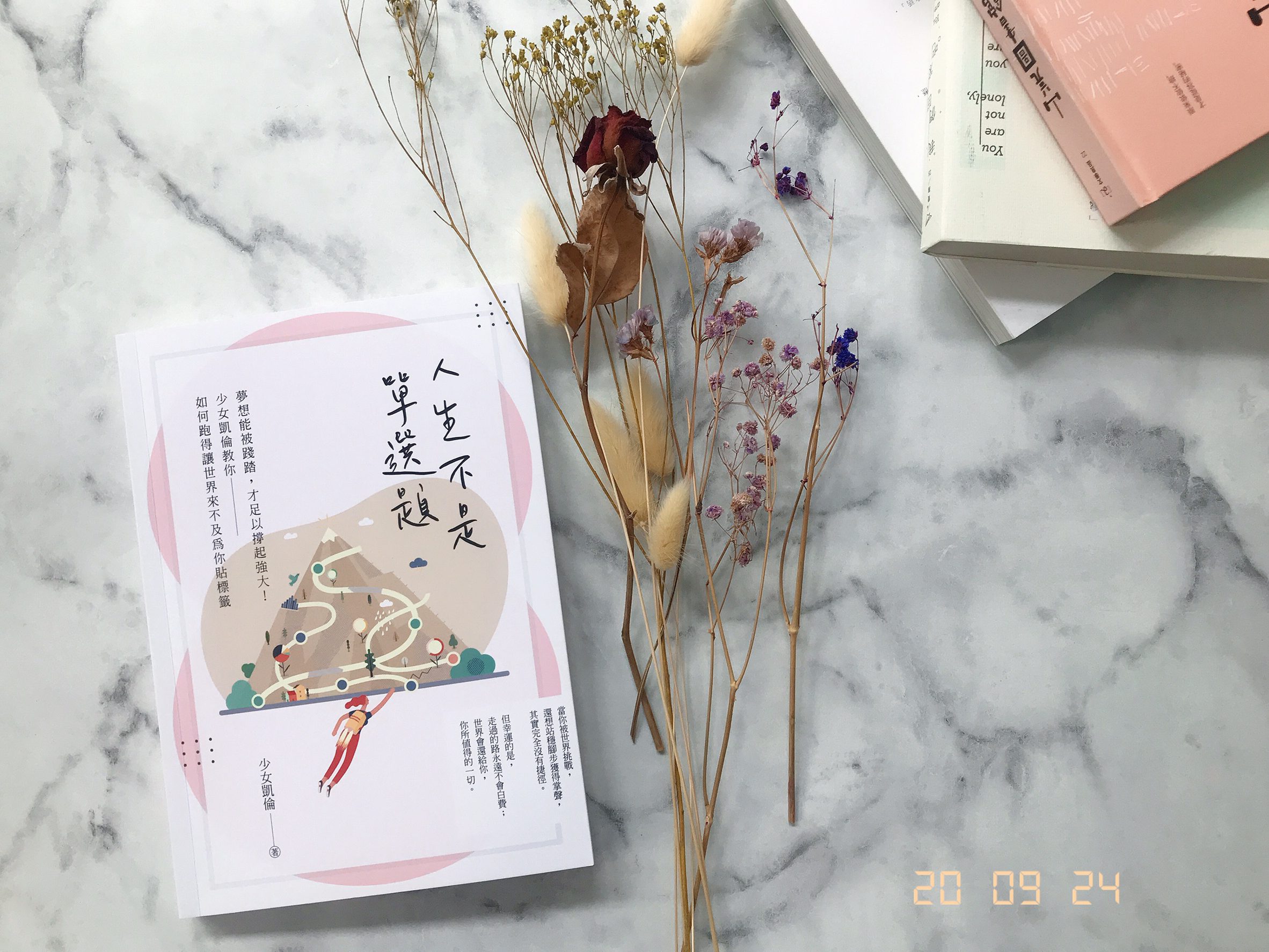
Click here to purchase the book
When I first entered the workforce, I thought my life would more or less remain the same—that I'd never progress or undergo any major changes. I'd do the same type of work until retirement, stay busy earning money to support myself, pay off my mortgage, have no other options, and drift aimlessly through a long life, ending it all in mediocrity.
I originally thought I was a workaholic, but after entering the workplace, that wasn't the case at all. Instead, I couldn't muster enthusiasm for anything and even felt disappointed in the world. At first, I was so frustrated that I thought about how to burn down the company, escape the system, avoid being managed—wondering how I could gain recognition, do what I wanted, and develop the ability to manage others. But in the end, these were all just thoughts.
Later, I discovered that all those fleeting thoughts and anxieties that lingered in my heart ultimately stemmed from others. All my troubles came from "how I appear in others' eyes," "how I should adapt to and cooperate with rules set by others," and "how I should do the tasks others assign to me." Yet none of this was what I actually wanted.
At that time, although I didn't want to compromise, I lacked the ability to create what I desired. I had no control over situations, no ability to grasp the bigger picture, no wisdom to understand current conditions and trends, and no inner composure. This caused me to stumble for several years before I finally realized that life isn't something planned for you—it's something you create yourself.
Even if you're given a title that sounds impressive, it's given to you by others. What matters most is how you see yourself, balance your own set of rules within your environment, establish them firmly and steadily, and refuse to be led by the nose by others or merely be a compliant person.
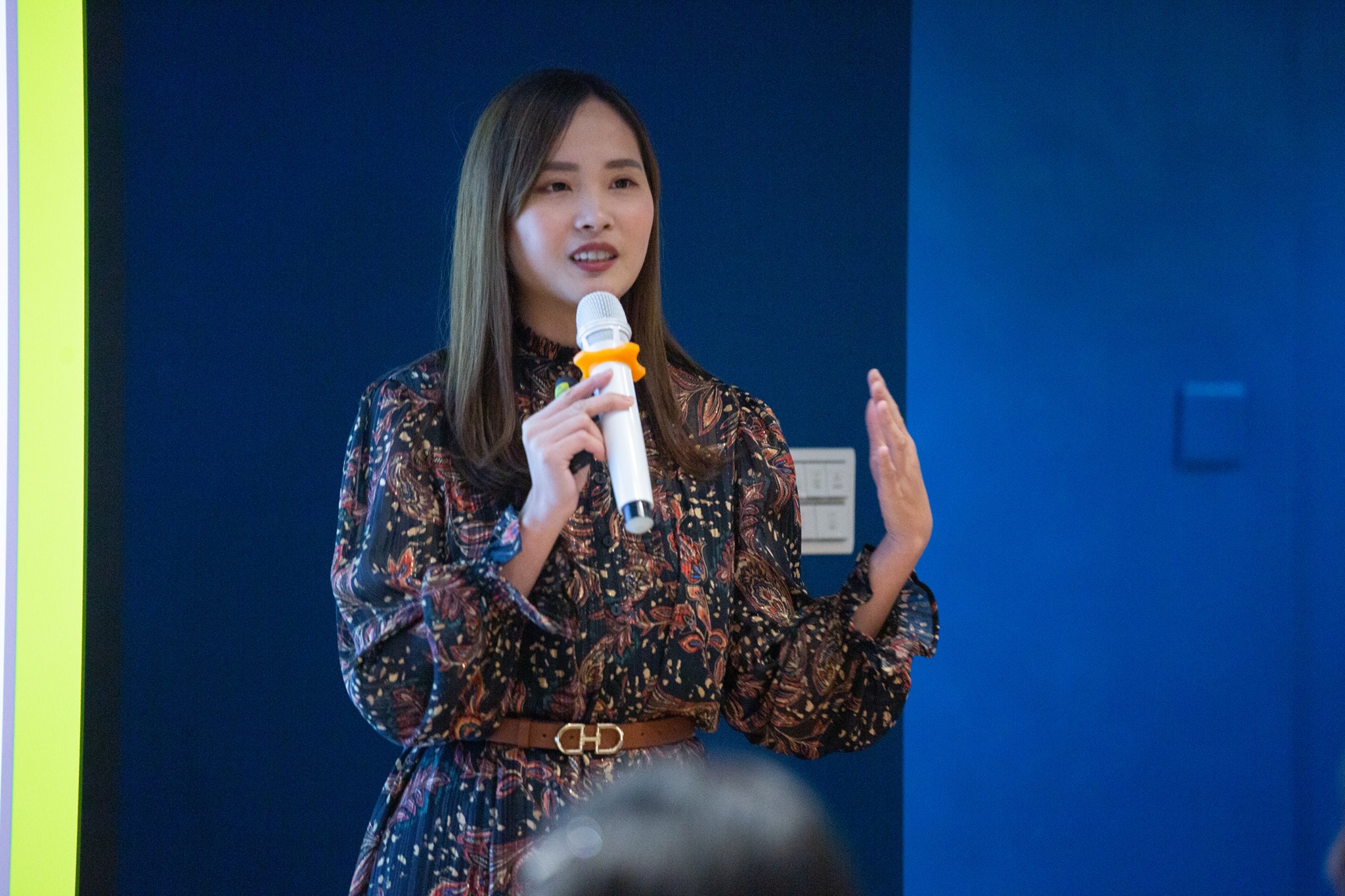
Once, after I gave a talk about personal branding, an audience member asked me: "Is your family background very wealthy, which is why you can do what you want?" After two hours of content about self-exploration, connecting life resources, brand building, and visibility, the person seemed indifferent to it all. They were only curious about the speaker's family finances, not about the value of listening to the lecture or how to escape the company's protection and pursue what they love.
This genuinely surprised me, and I couldn't bear to see such a passive mindset continue spreading. So I decided to use my own experience to tell people: "Doing what you love should never mean giving up other options or compromising your life because of money or family background." That's why this book came into being.
This book covers my career, how I've managed to build a "slash career" as a so-called unstable and low-stress-resistant "employee" in the eyes of society—using after-work hours for continuous learning through reading, developing myself, and long-term writing to document my perspectives and manage personal social media. From the gig economy to personal branding, I've turned interests into systems, found more possibilities for myself, and through writing, increased my value from just 200-500 yuan per article to more than twenty times that in just two years.
I'm currently a reporter for a mainstream online media program, producing, planning, and hosting shows. My abilities have been recognized; I help organizations optimize traffic, plan content strategy, and report exclusive news that influences national policy. Besides this, I've worked as a social media editor for online media and as a frontline TV reporter, changing jobs six times in just over four years.
In a society that often only looks at primary employment history, many people thought I lacked focus, had no clear goals, and couldn't handle setbacks. But by establishing a fan page and managing a personal WordPress blog, sharing life and workplace observations, within just six months I began receiving campus speaking invitations. Over the next two uninterrupted years, I became a media columnist, took on live hosting collaborations, served as a brand marketing director for an internet nonprofit, and worked as a corporate media consultant—keeping my career options unlimited. I also actively created more opportunities in my primary job.
However, just when everything seemed to be progressing smoothly, in July 2019 I quit my fifth job abruptly and flew to the Philippines to study business English. Before turning 30, I wanted to reposition myself. The courage to pay the price for my choices doesn't have a glamorous backstory—it's simply never being satisfied with myself, fearing being overtaken by juniors, worrying about becoming obsolete, and constantly wanting to improve. Throughout my life so far, "being myself" has been my value and ideal way of living, and my life continuously practices this principle.
"What are your goals for ten years from now?"
Once during an interview, a CEO asked me this. During my hour-long talk, this was the only question that made me pause and ask for some thinking time. Eventually, I said: "I believe being able to do what I want to do is my goal, regardless of age or what that thing is." Personal thinking constantly changes with age and environment, and thoughts shift accordingly. In this rapidly changing era, only by maintaining flexible thinking can we avoid being eliminated. Thinking back, I'm deeply grateful to him for this question, which gave me the opportunity to reflect on my life philosophy. Although I didn't end up working for that company, it was the key moment that made me face my own shortcomings and begin my journey abroad to explore life and myself.
Whenever I tell people around me that I gave up a job everyone joked was ideal—"good pay, light work, close to home"—and paused the cases, lectures, and book clubs I had lined up, flying all the way to the Philippines to study and leaving myself a gap period, they all found me brave, decisive, and decisive. Some even wanted to borrow some of my courage.
Beyond the encouragement, it made me deeply understand that there are so many people in this world who genuinely want to do what they love, pursue their passion, practice "being themselves," yet are constrained and suppressed by social values and other internal and external factors.
My family background deeply influenced my thinking and behavior. So in this book, by connecting my real life and showing how to inventory resources and find your unique calling, I hope through an ordinary person's story to share how every inconspicuous detail in life is an accumulation of resources. Through conscious thinking and reflection, you'll understand "who I am" and "why I exist." This raises the psychological resilience of "being yourself," making you less easily influenced by external forces. For a person to have the ability and quality to "create," they can occupy their own place in this rapidly changing era and open a path created entirely by themselves!